





DUI / OVI and Physical Control in Ohio – What Does it Mean to “Operate” a Vehicle?

Pursuant to R.C. 4511.19(A)(1), no person shall operate any vehicle if, at the time of the operation, the person is under the influence of alcohol, drugs or a combination of them. One of the critical terms in R.C. 4511.19(A)(1) is the term “operate.” This word is a defined term pursuant to R.C. 4511.01(HHH), which states that “operate” means to cause or have caused movement of a vehicle. Thus, in order to be convicted of DUI / OVI in Ohio, the driver must have caused the movement of a vehicle while being impaired by alcohol, drugs or a combination of them.
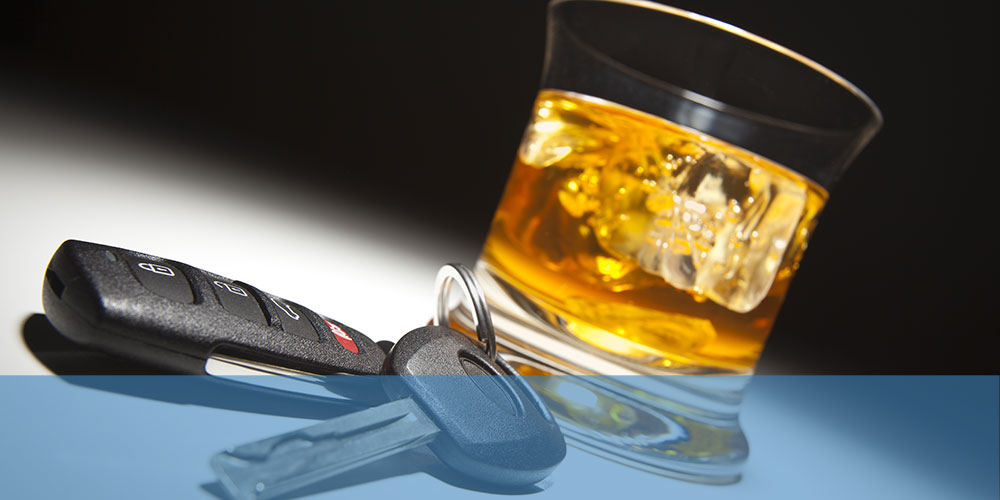
In 1994, the Ohio Supreme Court held in State v. Gill that “a person who is in the driver’s seat of a motor vehicle with the ignition key in the ignition, and, in his or her body has a prohibited concentration of alcohol, is ‘operating’ the vehicle within the meaning of R.C. 4511.19 whether or not the engine is running.”
However, a recent case from the 1st District Court of Appeals, State v. Anderson, stated that the Ohio General Assembly modified the definition of “operate” by adding the words “at the time of operation” to R.C. 4511.19(A)(1) and R.C. 4511.01(HHH) defines “operate” as to cause or have caused movement of a vehicle.
Definition of “Operate” for DUI / OVI in Ohio
In defining “operate,” R.C. 4511.01(HHH) utilizes both the present tense (“to cause”) and the past tense (to “have caused”). The court in Anderson further noted that the Ohio General Assembly created a new offense – “having physical control of a vehicle while under the influence of alcohol.” R.C. 4511.194. This section defines “physical control” as being in the driver’s position of the front seat of a vehicle and having possession of the vehicle’s ignition key or other ignition device while impaired by alcohol, drugs or a combination of both.
DUI / OVI v. Physical Control
This statute essentially eliminates Ohio’s DUI / OVI statute from applying to those who had too much to drink, but are using their vehicle to listen to the radio or turning the heat on. Thus, a person who is passed out in the driver’s seat on the side of the highway may be convicted of DUI / OVI in Ohio because the jury can infer that the vehicle was driven to that location. However, if a person is “sleeping off” their night of drinking in a parking lot of a bar, that person can only be convicted of physical control, unless there is some evidence of movement.
In order to convict for DUI / OVI, the prosecution must present evidence, direct or circumstantial, that the defendant operated the vehicle while impaired by alcohol, drugs or a combination of both. Direct evidence would be a video showing the defendant driving the vehicle. Circumstantial evidence could be that the vehicle was found parked on the side of the road with the defendant in the driver’s seat.
Columbus and Delaware, Ohio DUI / OVI Attorney
If you have been charged with DUI / OVI in Columbus or Delaware, Ohio, contact Johnson Legal, LLC and speak with an experienced Columbus and Delaware, Ohio DUI / OVI attorney. Attorney David Johnson of Johnson Legal, LLC will discuss your case and assist you in fighting the charges. Call (614) 987-0192 or send an email to schedule a consultation regarding your DUI / OVI case. For further information, consult Johnson Legal, LLC’s DUI / OVI Blog.
Johnson Legal, LLC serves the following cities in the central Ohio area for DUI / OVI Defense:
Westerville, Worthington, Columbus, Polaris, Reynoldsburg, Grandview Heights, Shawnee Hills, Bexley, Pickerington, Gahanna, Sunbury, Powell, Upper Arlington, New Albany, Dublin, Hilliard, Lewis Center, Galena, Clintonville, Huber Ridge, Blacklick, Grove City, Delaware, Marysville, Groveport, Newark, Canal Winchester, Obetz, Marion, Mt. Gilead, Pataskala, Granville, Whitehall, Franklin County, Morrow County, Licking County, Knox County, Union County, Madison County and Delaware County